Reduce Risk and Improve Tree Structure
Residential tree trimming and pruning for homeowners in Charleston.
Your trees in Charleston need trimming when branches scrape against roof shingles during wind events, limbs block sunlight from garden beds, or overgrowth creates dense canopies that trap moisture and weaken internal structure. Mikes Tree Service provides precision trimming that improves tree health, reduces falling hazards near walkways and driveways, and preserves the natural shape of mature trees.
This service includes seasonal pruning suited to Lowcountry growth cycles and storm exposure patterns common in Charleston. The crew removes deadwood, thins crowded branches to improve airflow, and shapes canopies to reduce wind resistance during severe weather. Each cut follows arboricultural standards that promote long-term stability without creating entry points for disease or pests.
Mikes Tree Service schedules trimming projects for routine maintenance and preventative storm preparation across Charleston residential properties.
Pruning That Balances Safety and Appearance
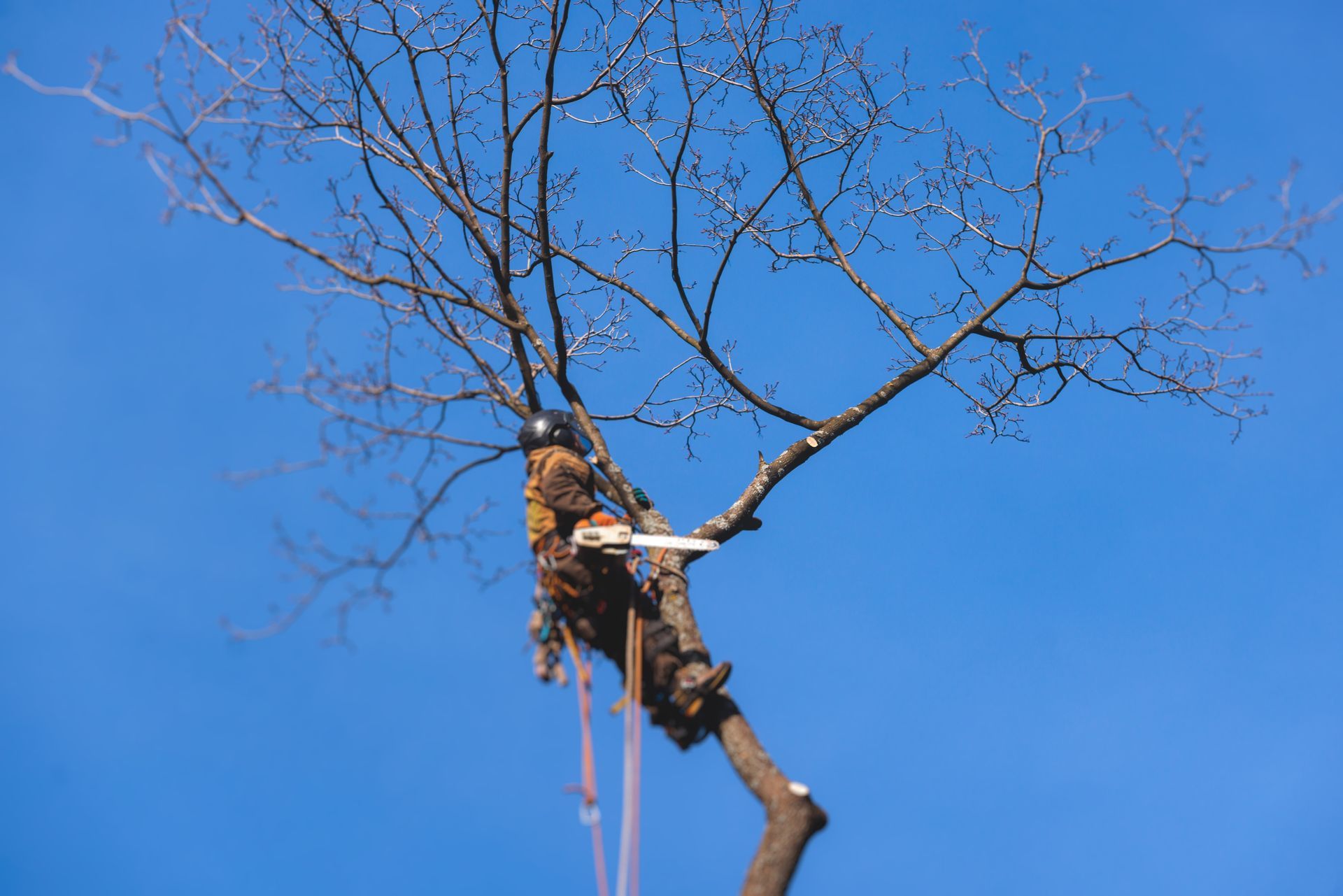
The crew arrives in Charleston with pole saws, hand pruners, and climbing gear designed to access upper canopy sections without damaging bark or surrounding branches. Each cut removes growth that interferes with structures, obstructs views, or creates unbalanced weight distribution that stresses the trunk.
After trimming, you notice increased sunlight reaching lower plantings, cleared space above rooflines and walkways, and a canopy that allows wind to pass through rather than catching gusts that strain root systems. The work reduces the likelihood of limb failures during storms and improves the overall appearance of your landscape.
Trimming does not include pest treatment or disease management but focuses on structural pruning that supports tree health over time. Most residential projects complete in half a day to a full day depending on the number of trees and the extent of pruning required.
Common Concerns About Trimming Timing and Results
What does trimming accomplish that benefits tree health?
Trimming removes deadwood, reduces crowded branches that block airflow, and eliminates limbs that rub against each other and create wounds. The result is a stronger structure that resists storm damage and supports steady growth.
How does pruning reduce the risk of falling limbs?
The crew removes branches with weak attachment points, excessive length, or decay that compromise stability. Thinning the canopy also reduces wind resistance, which lowers the force applied to limbs during storms common in Charleston.
When should I schedule trimming for my trees?
You schedule trimming during late winter or early spring before new growth begins, or in late fall after leaves drop. This timing minimizes stress and allows the tree to heal cuts before the next growing season.
How much of the canopy gets removed during a typical trimming?
Most trimming projects remove no more than 20 to 25 percent of the canopy to avoid shocking the tree. The crew focuses on deadwood, crossing branches, and limbs that pose immediate hazards rather than heavy reduction that weakens overall structure.
What happens to branches and debris after trimming?
All cut branches, twigs, and leaves are removed from your property and disposed of off-site. The crew clears the work area so you are left with a clean yard and improved tree shape.