Remove Structurally Compromised Trees Before Failure
Specialized hazardous tree removal services for commercial properties in Charleston with unstable or storm-damaged trees.
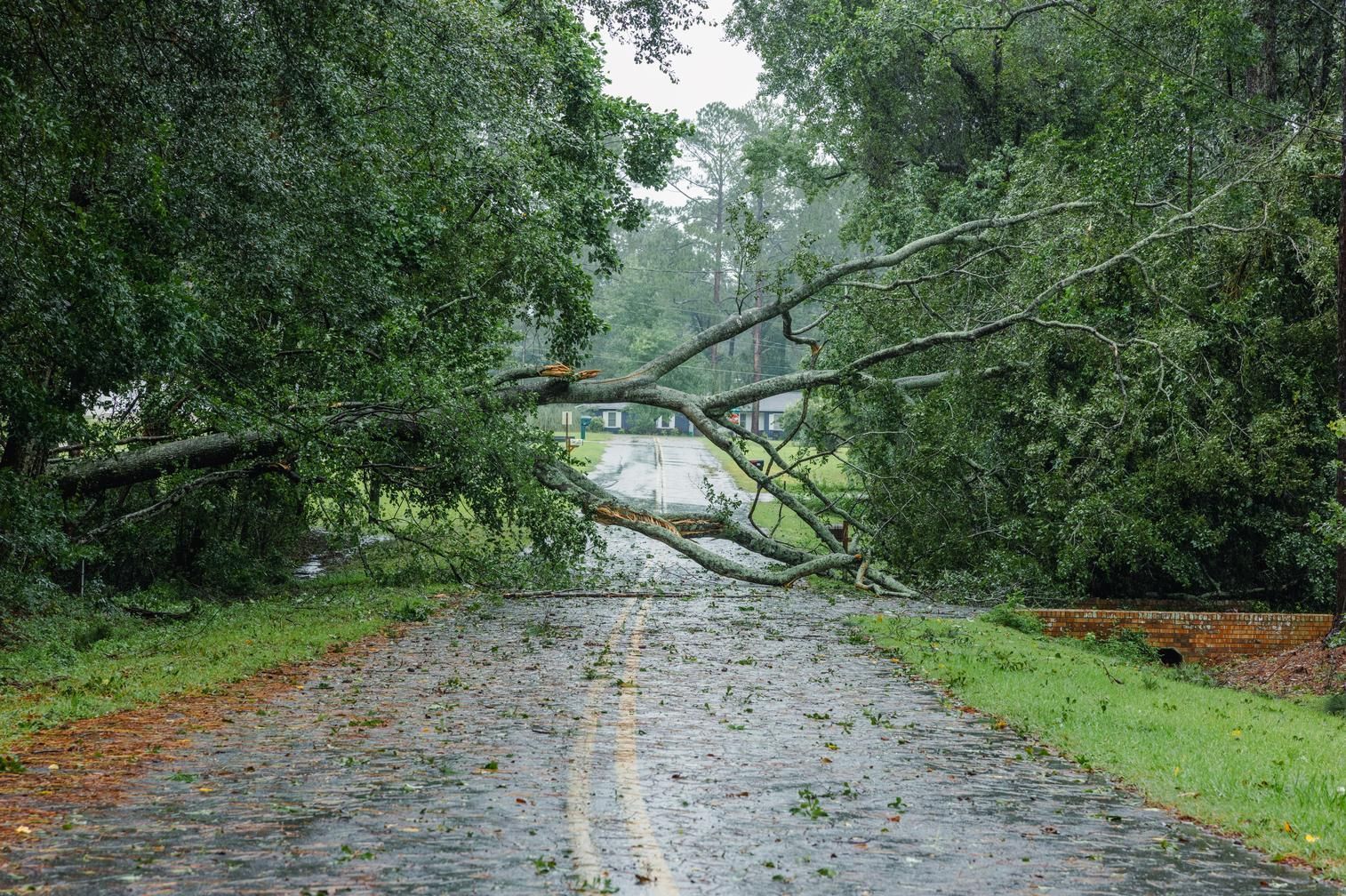
If you manage a commercial property in Charleston, you may notice trees with visible splits in the trunk, severe leaning, or exposed roots that indicate structural instability. These conditions create risk for nearby buildings, parked vehicles, and pedestrian areas, especially during high winds or heavy rain. Mikes Tree Service provides hazardous tree removal using advanced rigging and equipment designed for controlled removals in high-risk environments.
This service addresses trees that have compromised root systems, internal decay, or damage from previous storms. A thorough evaluation determines the safest removal strategy based on tree size, lean angle, proximity to structures, and site access. Work is planned to protect surrounding areas and minimize disruption to your commercial operations in Charleston.
If you have a tree on your property that appears unstable or poses a safety concern, contact Mikes Tree Service to schedule an assessment.
Controlled Removals Using Rigging and Cranes
The removal process in Charleston begins with an on-site evaluation to assess lean direction, weight distribution, and surrounding obstacles such as power lines or building facades. Rigging systems, cranes, or sectional cutting techniques are selected based on tree condition and site layout. Each cut is planned to prevent uncontrolled movement or collateral damage.
After removal, you will notice the elimination of overhead risk, clearer sightlines across your property, and reduced liability exposure. The area where the tree stood will be clear of large debris, and any damaged surrounding vegetation or pavement will be documented if repair coordination is needed.
This service focuses on safe tree removal and does not include stump grinding, root extraction, or landscape restoration unless separately arranged. If multiple trees on your site require evaluation, that can be completed during the initial visit to help you prioritize removals based on risk level.
These situations often require more information upfront
What makes a tree hazardous on a commercial property?
A tree is considered hazardous if it shows signs of structural failure such as trunk splits, significant lean toward buildings or walkways, exposed or damaged roots, or decay visible in the bark or canopy. These conditions increase the likelihood of failure during storms or high winds.
How is removal planned to avoid damage to nearby structures?
You can expect the crew to use rigging systems, ropes, and cranes to control each section of the tree as it is cut. Cuts are sequenced to direct weight away from buildings, vehicles, and utilities, and ground protection may be used in high-traffic or paved areas.
What happens if the tree is leaning over a parking lot?
Leaning trees are removed in sections using controlled rigging to lower pieces safely to the ground without dropping them. Parking areas may need temporary closure or restricted access during the work to protect vehicles and crew members.
Why do root systems fail in Charleston commercial sites?
Charleston's heavy rainfall and clay-based soils can lead to waterlogged conditions that weaken root anchorage. Shallow root systems combined with high winds or saturated ground increase the risk of tree failure, especially for older or storm-damaged specimens.
When should hazardous tree removal be scheduled?
You should schedule removal as soon as instability is identified, particularly before hurricane season or if the tree is located near high-traffic areas. Waiting increases the risk of unplanned failure and potential property damage or injury.