Let Wind Pass Through Instead of Breaking Limbs
Canopy Thinning for Mature Trees in Charleston
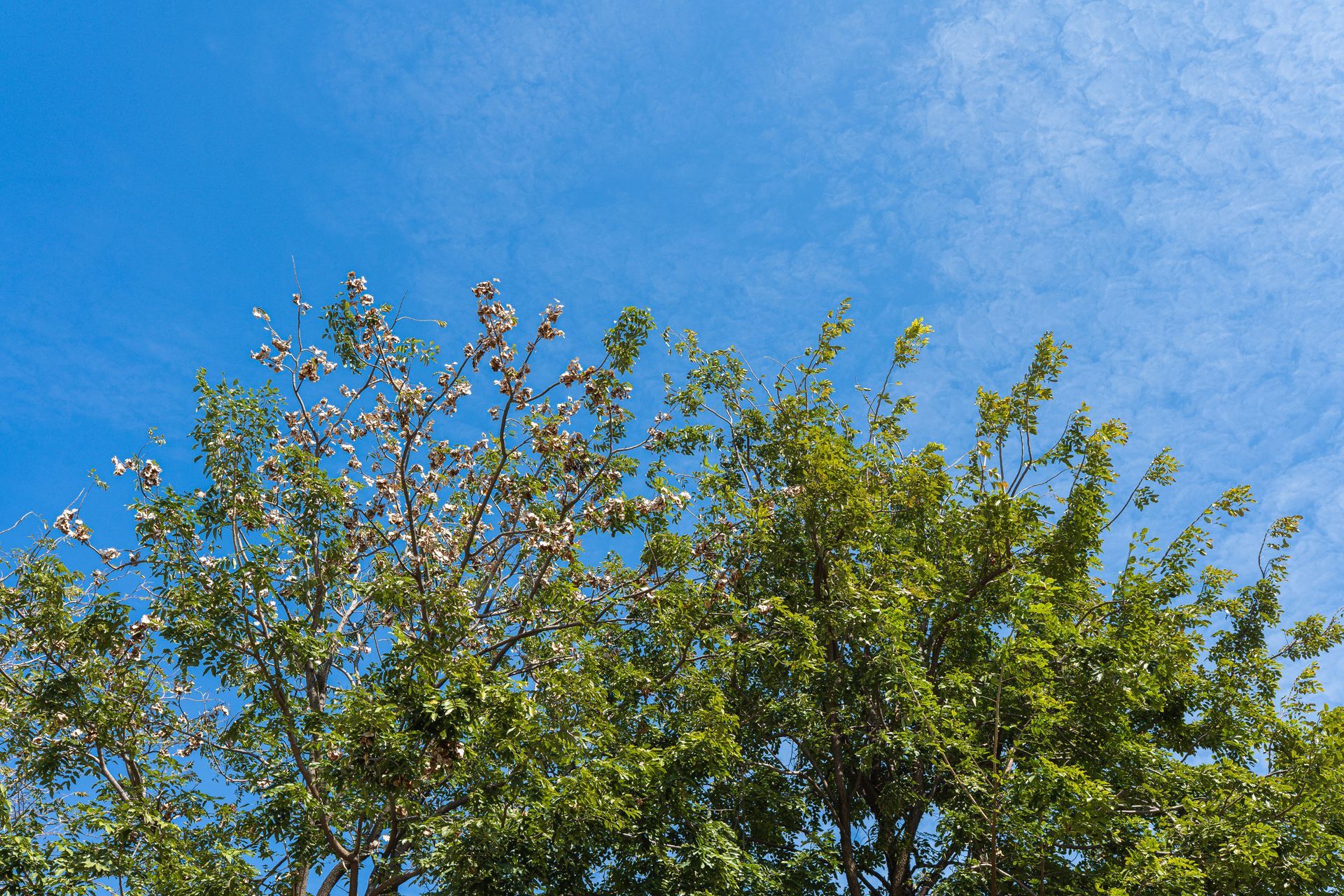
A thick canopy catches wind like a sail, and during a coastal storm in Charleston, that resistance can snap branches or uproot the entire tree. You might notice dense foliage blocking sunlight from reaching the ground, or limbs sagging under the weight of too many leaves and smaller branches. Thinning the canopy reduces that load and allows wind to pass through instead of building pressure against the tree.
Mikes Tree Service thins tree canopies by selectively removing interior branches to reduce density without changing the tree's overall shape. This work improves airflow, increases light penetration to lower branches and surrounding plants, and lowers wind resistance. Thinning is especially useful for mature trees in residential and commercial landscapes where storm exposure is high and space is limited.
If your trees look too heavy or you're concerned about wind damage in Charleston, reach out to Mikes Tree Service to schedule canopy thinning.
What Changes When the Canopy Is Thinned
The crew evaluates your tree in Charleston and identifies branches to remove from the interior of the canopy. They focus on smaller limbs, crossing branches, and areas where foliage is too dense. Using pole pruners and hand saws, they make clean cuts that preserve the tree's natural form while reducing weight and wind load.
After thinning, you'll notice more light reaching the ground beneath the tree, better air circulation through the canopy, and a lighter, more balanced appearance. The tree becomes less likely to catch wind during storms, which reduces the chance of large limbs breaking or the trunk splitting. Improved airflow also helps the tree dry faster after rain, lowering the risk of fungal growth on leaves and bark.
The crew removes all cut branches and leaves the site clean. They do not remove more than 25 percent of the canopy in one session, as excessive thinning can stress the tree and trigger rapid, weak regrowth. This service is not a substitute for pruning dead or diseased wood, and it does not address structural problems like split trunks or large cracks. Thinning works best when combined with routine maintenance and performed on trees that are otherwise healthy.
You Might Be Wondering How This Affects Your Tree
When should canopy thinning be done?
Late winter or early spring is ideal because the tree is dormant and cuts heal quickly once growth resumes. Thinning before storm season in South Carolina reduces wind risk when it matters most.
How much of the canopy will be removed?
Typically, 10 to 25 percent of the foliage is removed, depending on density and the tree's condition. The goal is to improve airflow and reduce weight without making the tree look sparse or unbalanced.
Will thinning make the tree grow back thicker?
Properly thinned trees grow back at a normal rate with stronger, better-spaced branches. Excessive thinning can trigger dense, rapid regrowth, which is why the crew removes only what's necessary.
Can thinning prevent a tree from falling during a storm?
Thinning reduces wind resistance and lowers the chance of limbs breaking, but it can't prevent uprooting if the root system is compromised or the soil is saturated. It's one part of keeping your tree stable.
What types of trees benefit most from canopy thinning?
Mature hardwoods like oaks, maples, and sycamores benefit most, especially if they're in open areas where wind exposure is high. Dense evergreens may also need thinning if they've become top-heavy or overgrown.